


-

How to Find a Private Label Phone Case Manufacturer: A Complete Guide for Global Buyers
Learn how to find and evaluate a private-label phone case manufacturer for an international brand. This guide covers product specifications, OEM and ODM options, samples, MOQ, custom logos and packaging, quality control, supplier verification, intellectual property, shipping responsibilities, and the key questions to ask before placing an order.
MORE -
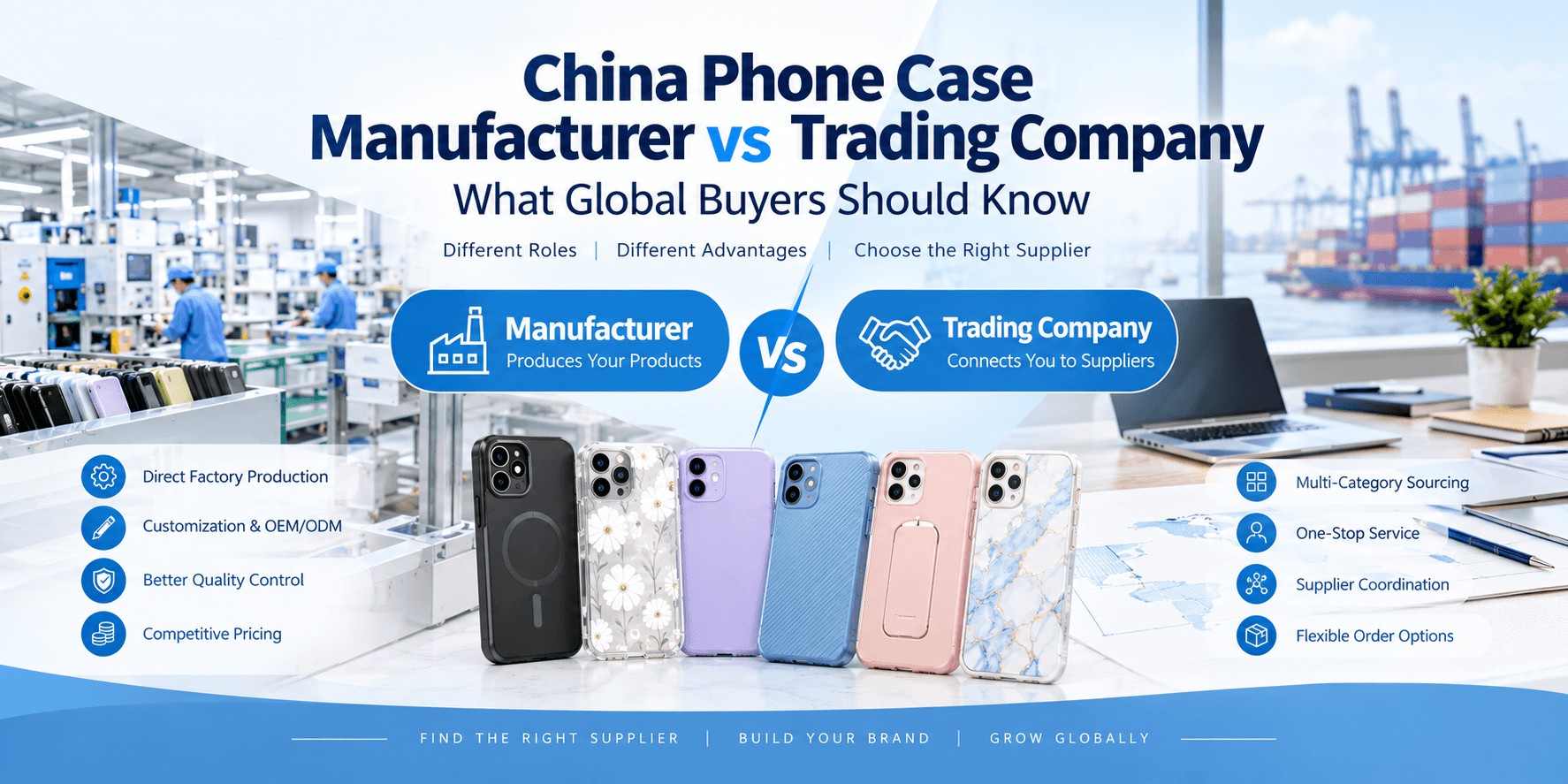
China Phone Case Manufacturer vs Trading Company: What Global Buyers Should Know
Should you buy phone cases directly from a factory or work with a trading company? This comparison explains the differences in production control, customization, communication, pricing, MOQ, quality management, lead times, and export support. Use the checklist to assess each supplier according to your product requirements and purchasing risks.
MORE -
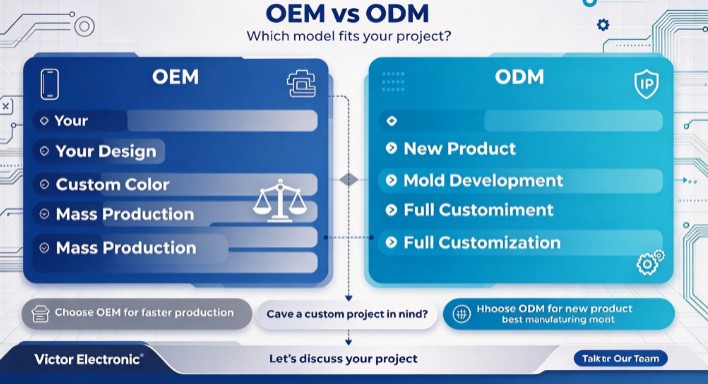
OEM vs ODM Phone Cases: What Is the Difference? A Complete Guide for Global Buyers
When developing custom phone cases, brands and businesses often need to choose b
MORE -
What Is the MOQ for Custom Phone Cases? A Complete Guide for Global Buyers
The MOQ for custom phone cases is not a universal number. It may depend on the phone model, color, material, printing method, tooling, packaging, and total order structure. This guide explains how suppliers calculate MOQ, what information to include in a quotation request, and how buyers can plan samples, test orders, and repeat production more effectively.
MORE -
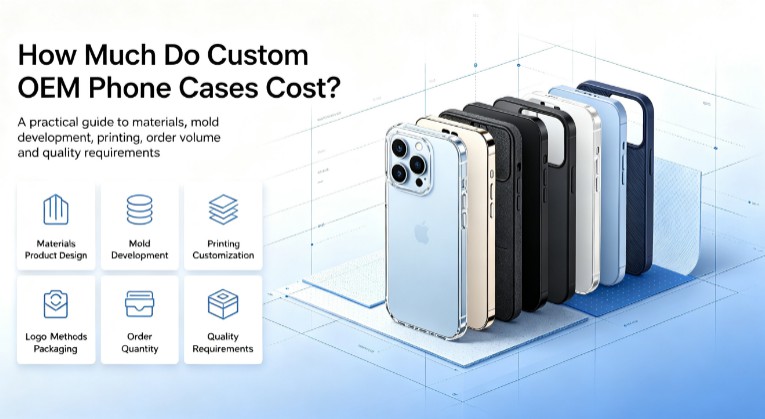
How Much Does It Cost to Manufacture Custom Phone Cases? A Complete Cost Guide for Global Buyers
Understand the main cost factors behind custom phone case manufacturing. The guide breaks down product design, materials, molds, samples, printing, logo finishing, packaging, order quantity, quality requirements, inspection, shipping, and other project costs. It also explains how to compare supplier quotations using the same specifications instead of focusing only on the unit price.
MORE -
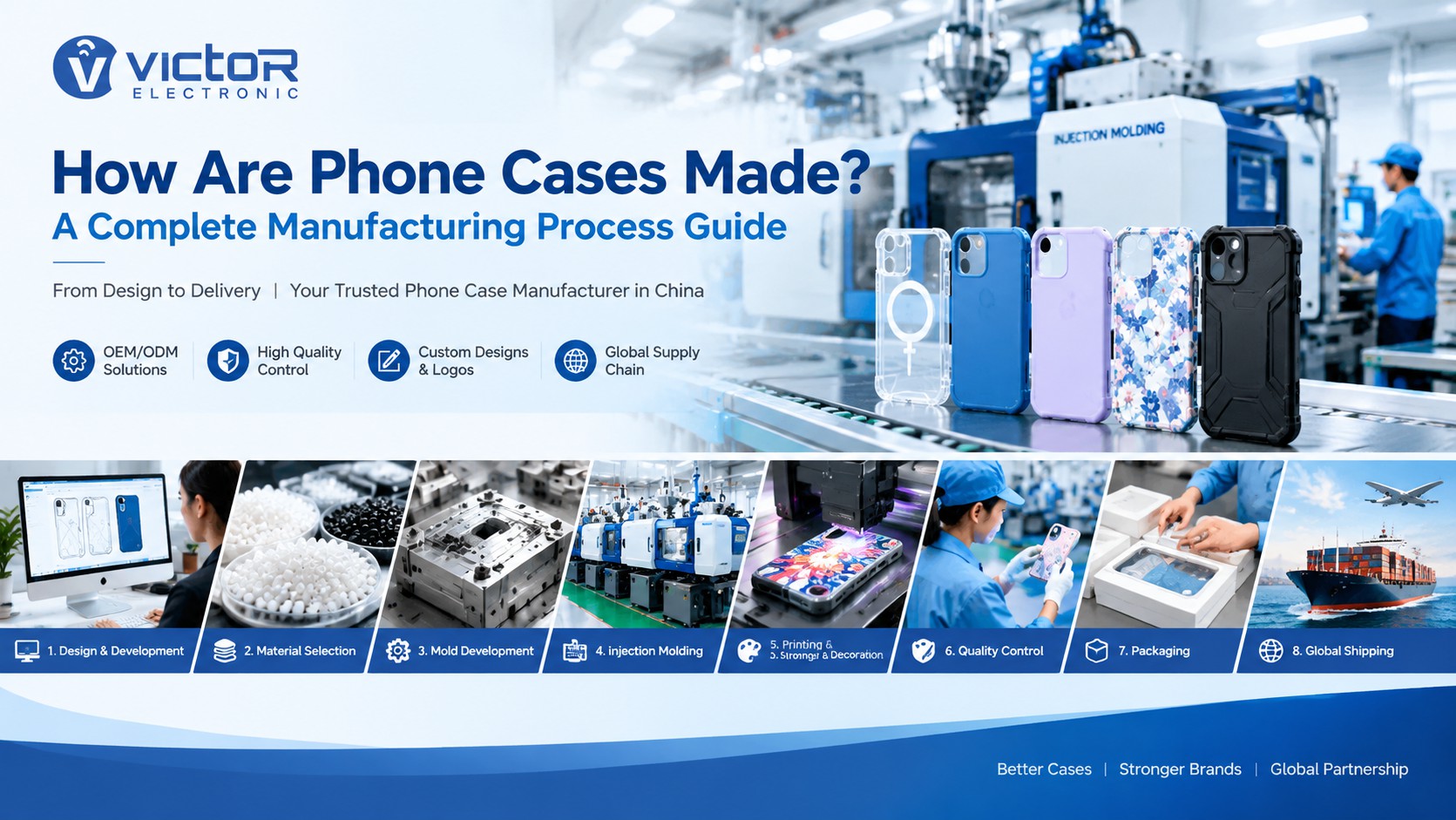
How Are Phone Cases Made? A Complete Manufacturing Process
Explore the complete phone case manufacturing process, from product design and material selection to prototyping, mold development, injection molding, printing, assembly, quality inspection, packaging, and international shipping. This step-by-step guide shows how each stage affects product fit, appearance, durability, consistency, and the final customer experience.
MORE -
OEM Phone Case Manufacturing: A Complete Guide for Global Brands
A practical introduction to OEM phone case manufacturing for brands, wholesalers, retailers, and distributors. Learn how to prepare product requirements, choose materials and functions, approve prototypes, manage tooling and samples, define quality standards, customize packaging, and coordinate production with a manufacturing partner.
MORE -
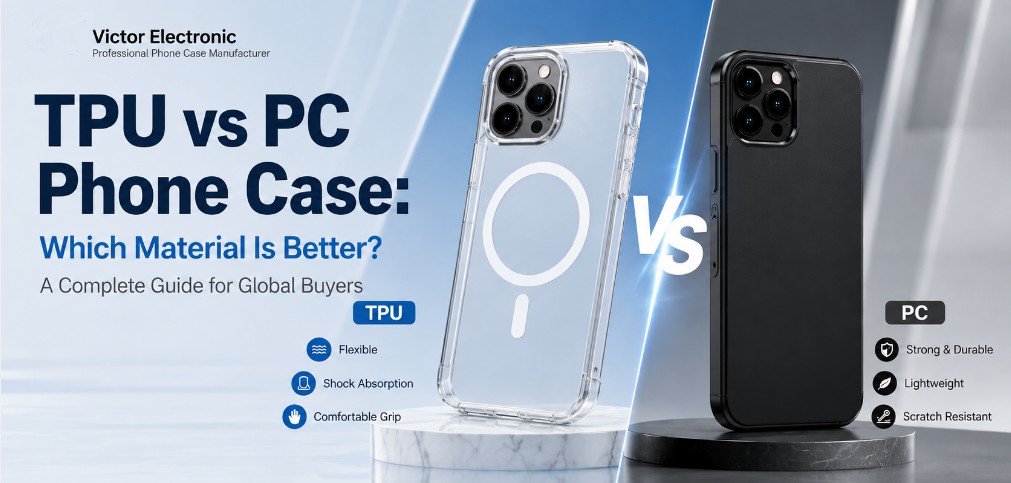
TPU vs PC Phone Case: Which Material Is Better? A Complete Guide for Global Buyers
TPU and PC phone cases offer different combinations of flexibility, structure, protection, weight, appearance, and printing suitability. This comparison explains the practical strengths and limitations of each material and helps wholesalers, retailers, and brands choose the right option for everyday protection, slim designs, fashion products, and custom manufacturing projects.
MORE -
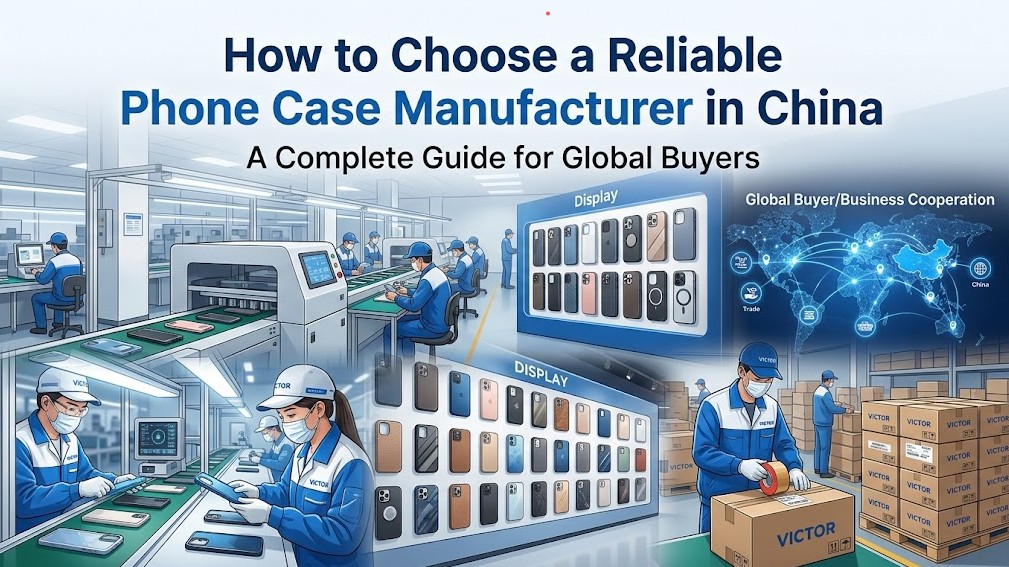
How to Choose a Reliable Phone Case Manufacturer in China: A Complete Guide for Global Buyers
Choosing a reliable phone case manufacturer in China requires more than comparing prices. This guide presents a supplier evaluation framework covering company identity, factory capabilities, OEM and ODM experience, product samples, materials, customization, quality control, MOQ, communication, export experience, and the documents buyers should review before starting a long-term partnership.
MORE -
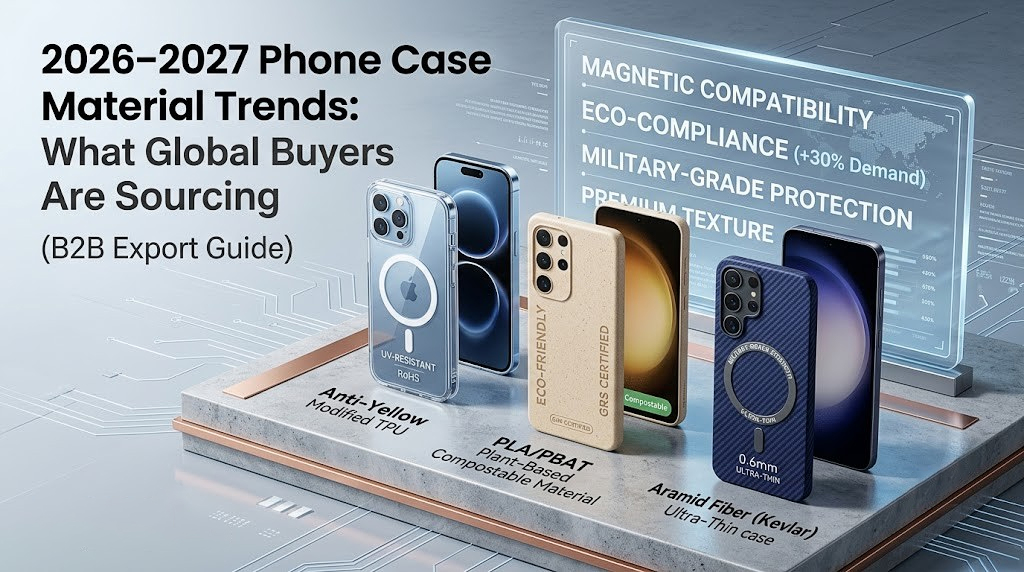
2026–2027 Phone Case Material Trends: What Global Buyers Are Sourcing (B2B Export Guide)
Explore the material directions shaping B2B phone case sourcing in 2026 and 2027. The article reviews mainstream TPU, PC, silicone, recycled and premium material options, along with factors such as protection, appearance, sustainability requirements, magnetic compatibility, regional preferences, and product positioning. Buyers should confirm specifications and compliance requirements for each project.
MORE



 Lisa